
TMJ Therapy in Tuscaloosa, AL
Are you dealing with jaw pain, clicking, or headaches that won’t go away? You may be experiencing a TMJ disorder—a condition affecting the temporomandibular joint that connects your jaw to your skull. At Rhodes & Rhodes Family Dentistry, we offer TMJ therapy in Tuscaloosa to relieve pain, improve jaw function, and restore your comfort.
We take a personalized, conservative approach—using non-invasive methods to get you feeling better, faster.
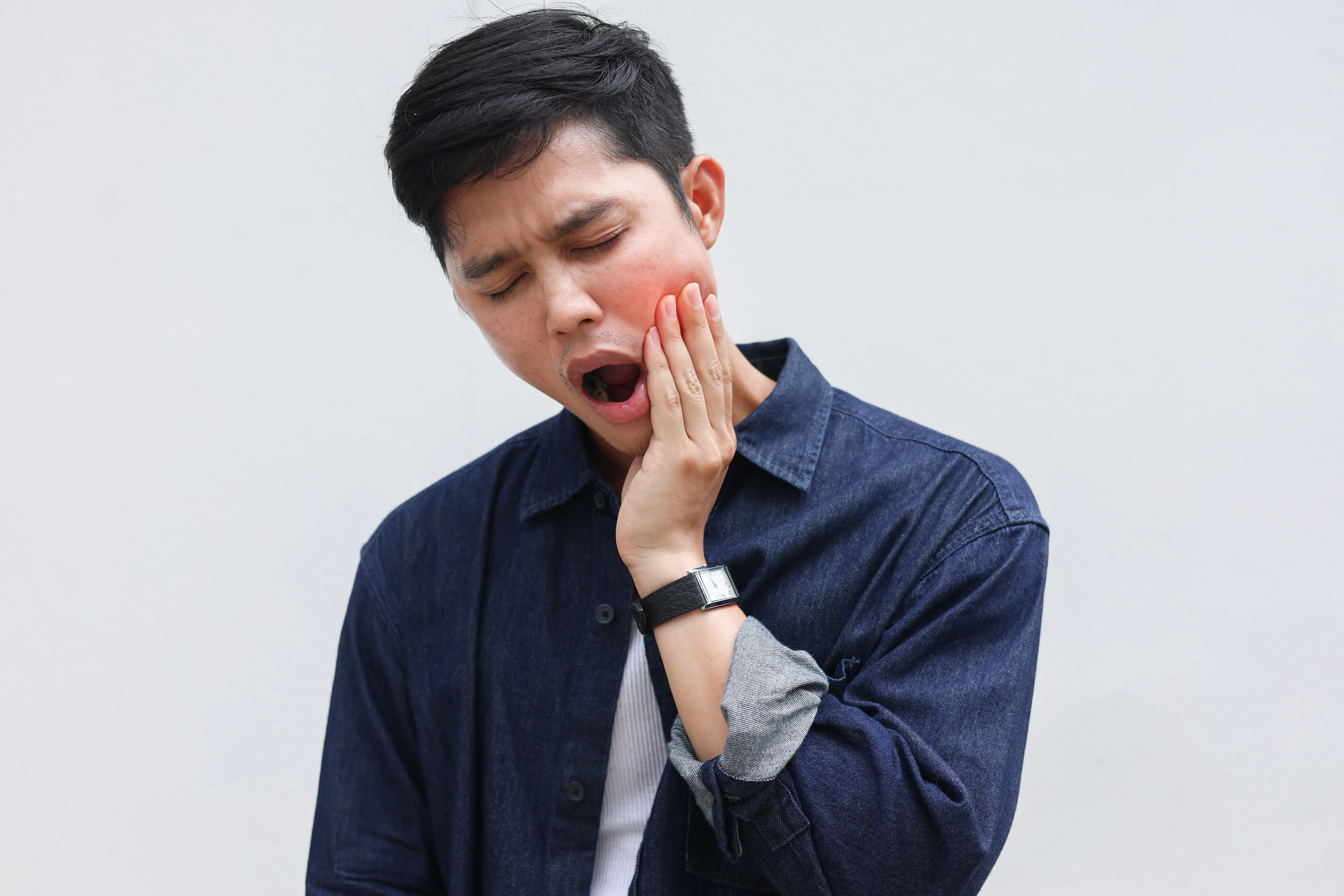
What Is TMJ Disorder?
Your temporomandibular joint (TMJ) helps you chew, speak, and move your jaw smoothly. But when this joint becomes inflamed, misaligned, or overworked, it can lead to a group of issues known as TMD (temporomandibular joint disorder).
TMJ problems can affect your:
- Jaw muscles
- Joint cartilage
- Disc between the jaw and skull
- Surrounding nerves
Common TMJ Symptoms
You may benefit from TMJ therapy if you experience:
- Jaw pain or soreness
- Clicking or popping when opening your mouth
- Headaches or migraines
- Pain around the ears or temples
- Facial pain or pressure
- Locking or stiffness in the jaw
- Difficulty chewing or opening your mouth fully
- Worn, cracked, or damaged teeth from grinding
These symptoms often worsen with stress, teeth grinding, or poor bite alignment.
What Causes TMJ Issues?
TMJ disorder can have multiple causes, including:
- Jaw misalignment
- Teeth grinding or clenching (bruxism)
- Stress-related muscle tension
- Injury to the jaw
- Arthritis in the jaw joint
- Poor posture or sleep position
Our team performs a thorough evaluation—including digital imaging and a bite analysis—to determine what’s contributing to your discomfort.
TMJ Treatment Options
We believe in non-surgical, conservative care as a first line of treatment. Depending on your diagnosis, your TMJ therapy may include:
Custom Nightguard or Splint
A custom oral appliance worn while you sleep to reduce clenching, ease pressure on the jaw joint, and protect teeth from grinding. Learn more about bruxism treatment.
Bite Adjustment
Smoothing or reshaping bite surfaces of certain teeth to improve how your teeth come together and reduce strain on the TMJ.
Stress Management Guidance
TMJ pain is often linked to stress. We may offer strategies or refer you for support in reducing physical and emotional tension.
At-Home Therapy
We’ll teach you gentle jaw exercises and recommend anti-inflammatory measures (like ice or ibuprofen) to ease discomfort naturally.
In severe or complex cases, we may work in collaboration with oral surgeons or specialists to provide advanced care.
TMJ and Teeth Grinding
Many TMJ symptoms stem from chronic teeth grinding (bruxism), especially during sleep. If you wake up with sore jaw muscles or headaches, we may recommend a nightguard as part of your treatment plan. Visit our bruxism treatment page for more information.
Serving Tuscaloosa and Nearby Communities
We provide TMJ evaluations and therapy for patients throughout:
- Tuscaloosa
- Northport
- Cottondale
- Brookwood
- Holt
- Moundville
- Vance
- Coker
Searching for TMJ therapy near me or jaw pain treatment in Tuscaloosa? We’re here to help with expert care and a compassionate touch.
Don’t Let Jaw Pain Control Your Life
TMJ issues can seriously affect your comfort, sleep, and daily life. Let’s work together to find the source of your pain—and start you on the path to relief.
FAQs
Lorem ipsum dolor sit amet, consectetur adipiscing elit. Suspendisse varius enim in eros elementum tristique. Duis cursus, mi quis viverra ornare, eros dolor interdum nulla, ut commodo diam libero vitae erat. Aenean faucibus nibh et justo cursus id rutrum lorem imperdiet. Nunc ut sem vitae risus tristique posuere.
What’s the difference between TMJ and TMD?
TMJ refers to the joint itself, while TMD (temporomandibular disorder) refers to any condition or dysfunction affecting that joint.
Will TMJ go away on its own?
Mild TMJ discomfort may resolve over time, but chronic or worsening symptoms should be evaluated and treated to prevent long-term damage.
Does a nightguard really help?
Yes. A custom nightguard reduces jaw strain, protects teeth from damage, and often provides significant relief for TMJ-related pain.
Do I need surgery for TMJ?
Most patients improve with non-surgical treatments. Surgery is typically a last resort if conservative options don’t work.
Is TMJ therapy covered by insurance?
Many plans cover custom oral appliances or splints. Our team will help you understand your benefits and provide financing options if needed.
Personalized, Judgment-Free Relief Starts Here
We understand how frustrating and painful TMJ symptoms can be. Our team will help you find answers—and build a plan that works for your life and comfort.